The Southern African Development Community (SADC) places the development of Small and Medium Enterprises (SMEs) at the centre of its regional integration and economic transformation agenda. SMEs constitute the overwhelming majority of businesses across the region and are not only engines of economic growth, but also critical pathways for employment creation, innovation, entrepreneurship and inclusive development.
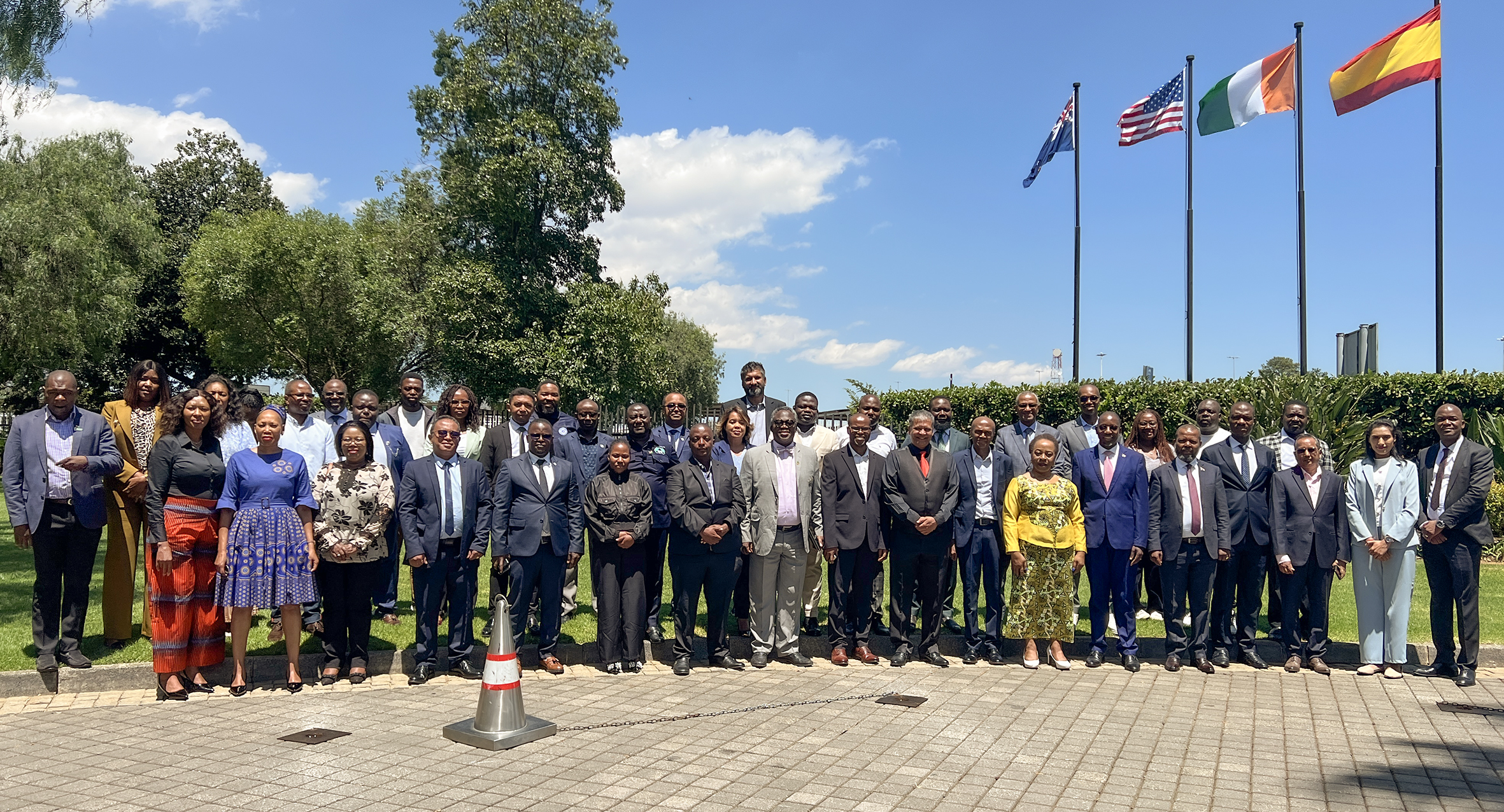
These views were articulated during the SADC High-Level Small and Medium Enterprises (SMEs) Public-Private Dialogue Forum, held in Johannesburg, South Africa, from 2 to 3 February 2026.
The Forum was convened primarily to promote and operationalize the SADC SME Development and Competitiveness Strategy (2025–2029). It provided a practical platform for translating policy commitments into tangible outcomes through experience-sharing, collaborative problem-solving, consensus-building, the dissemination of best practices, and the identification of priority national and regional interventions in support of the Strategy.
Ms. Angèle Makombo N’tumba, SADC Deputy Executive Secretary responsible for Regional Integration, urged the region to adopt diversified and innovative approaches to strengthening SME operations, underscoring that SMEs are the backbone of SADC’s industrialisation and drivers of regional integration and prosperity.
She further noted that, in support of SADC’s industrialisation agenda, the region developed the SME Development and Competitiveness Strategy (2025–2029). The Strategy provides a coherent and harmonised regional framework aimed at boosting SME productivity, deepening their integration into regional and global value chains, and enhancing their contribution to industrial development, job creation, and inclusive and sustainable growth.
Mr. Mzwanele Memani, Chairperson of the SADC High-Level SMEs Forum and Acting Chief Director for the Department of Small Business Development of the Republic of South Africa, commended SADC Member States for ongoing efforts to strengthen SME support frameworks and acknowledged the indispensable role of development partners. He called for intensified technical assistance, improved access to finance, and stronger policy advocacy to reinforce SME ecosystems across the region. He emphasised that enhancing SME competitiveness is essential to accelerating enterprise growth and expanding participation in regional markets.
Mr. Khulekani Mathe, Chairperson of the SADC Business Council and Chief Executive Officer of Business Unity - South Africa, provided an overview of the economic contribution of SMEs within the region. He noted that SMEs contribute more than 50 per cent of regional GDP, account for nearly 80 per cent of employment and represent approximately 90 per cent of registered businesses. He underscored that SMEs are the primary source of employment, particularly for youth and women. Despite their significance, he observed that SME participation in intra-regional trade and regional value chains remains disproportionately low.
Mr. Mathe also highlighted several instructive examples from selected SADC Member States that could be scaled up region-wide, including targeted support for SME integration into regional textile, agro-processing, and several services value chains; policy harmonisation initiatives; improved access to standards and quality infrastructure.
Over the two days, participants deliberated on key strategic priorities to accelerate implementation of the SME Development and Competitiveness Strategy (2025–2029). These included solution-oriented financing mechanisms, market integration, standards and quality infrastructure, skills development, innovation and digitalisation, as well as opportunities for SMEs arising from the African Continental Free Trade Area (AfCFTA).
The Forum formed part of SADC’s ongoing efforts to fast-track implementation of the Strategy by unpacking practical interventions aligned to its five strategic pillars: policy and regulatory reform; entrepreneurship and skills development; technology and infrastructure; market access; and access to finance.
The event brought together a broad cross-section of stakeholders, including officials from SADC Member States, the SADC Business Council, representatives of the African Union Commission and the African Association of Small and Medium Enterprises, regional and international cooperating and development partners, SME support institutions and business associations, policymakers, private sector representatives, financial institutions, and SME experts.


